
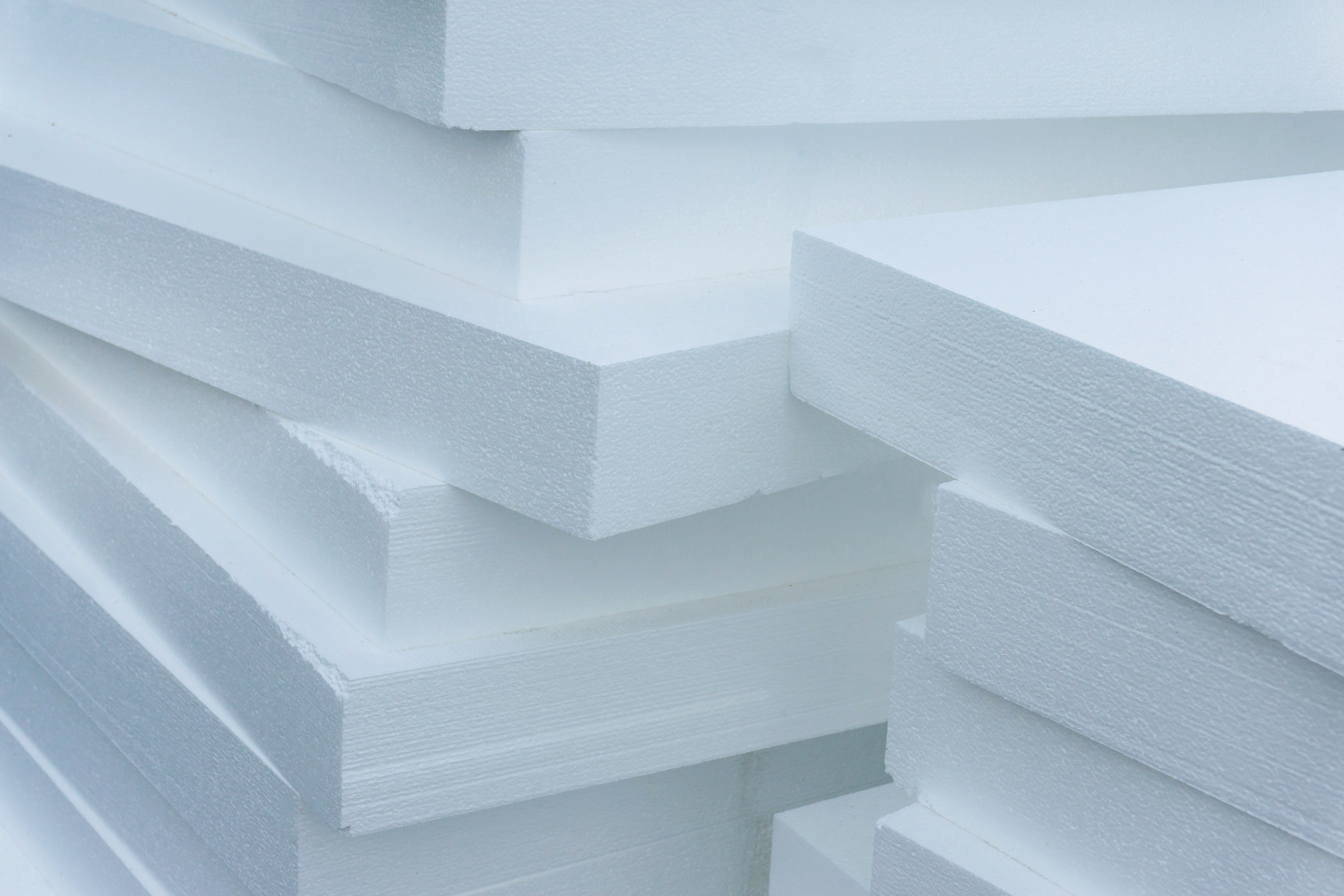
Picture a congested highway, a rooftop enduring heavy rain, and a van packed with pre-made meals. Not much overlap there, right? Well, there is one thread that ties them together. All three contain a material known as expandable polystyrene. Few people know about it. It achieves a great deal without being conspicuous, despite its understated nature.
The Support You Never See
Roads take a beating. Big trucks hit the road hard, storms chip away at the sides, and the ground underneath is always moving. To fix it, engineers started putting in foam blocks under the road. These blocks are super light. They still hold steady when the weight comes down.
Read More: A Modern Approach to Building Wealth in Belgium
Why go light? Heavy fill has a nasty habit of pressing on soft soil until the road sags. Foam sidesteps that whole mess. It takes up space, keeps its shape, and eases the strain on weak ground. Roads built this way crack less often. They last longer too. That means smoother drives and fewer dollars burned on repairs.
What Keeps a House Comfortable
Look up next time you walk into a room. Odds are the same material sits inside those walls and up in the roof. Builders slip sheets of it into place, and it slows heat down before it can travel. During peak summer, it prevents your living room from overheating. When winter comes, it traps heat inside. That way, the furnace doesn’t have to run excessively. The payoff is a comfortable home and a lighter bill. You will never lay eyes on this stuff after the walls close up. You will notice how the place feels, though.
Cargo That Shows Up Cold
Ever asked yourself how frozen crab legs or a box of medicine can travel halfway across the map and arrive icy? Foam coolers and padded shipping boxes handle that job. Same material, different shape. Here is the trick. Expandable polystyrene creates small, trapped air pockets within sealed walls. Due to the inherent insulating properties of air, which make it an inefficient conductor of heat, external sources of warmth find it challenging to penetrate through it. The cold hangs around for hours. Some shipments stay chilled for days. Grocery drops, seafood loads, and fragile vaccines all ride on this idea. Take it away, and a whole lot of food would rot before it ever hit a kitchen counter.
One Material Wearing Many Hats
How does one thing juggle so many roles? It comes down to what sits inside. Expandable polystyrene is mostly air. A finished block can run past ninety percent air by volume. That is the reason it stays feather light, moves cheap, and fights off heat like a champ. The perks pile up from there. Water rolls right off it. Weight fails to squash it. Mold gets nowhere. Put all of that in one package and you have something road crews, homebuilders, and shippers can trust year after year.
Then again, the material only performs when good people make it correctly. The best expandable polystyrene suppliers pour their attention into steady quality. Companies such as Epsilyte have built a strong name across plenty of industries for doing just that. Reliable makers keep our roads sound, our houses warm, and our groceries fresh.
Conclusion
The next time you glide over a smooth road, sink into a warm chair, or rip open a chilly delivery, remember the quiet material behind the scenes. Roads, roofs, and refrigerated deliveries seem like total strangers. They lean on the very same clever answer. Now and then the heaviest jobs land on the lightest set of shoulders around.
Read More: Home Loan Tax Benefit: How to Get Income Tax Benefits on Your Home Loan










+ There are no comments
Add yours